


Essential Takeaways:
- Older Connecticut homes are assessed using a different underwriting framework than new construction.
- Electrical, plumbing, and roofing systems are the most heavily scrutinized.
- Coastal proximity and historic district status introduce Connecticut-specific complications.
- Some conditions raise premiums, while others can make a property outright ineligible for standard coverage.
- Documented upgrades and an independent broker can make a measurable difference in placement outcomes.
Connecticut’s housing stock contains countless older homes that are full of charm, but many of them also have original plumbing, wiring, or roofing systems that predate today’s underwriting standards. When it comes to obtaining homeowners insurance, Connecticut carriers weigh age heavily. Insurers simply won’t evaluate a pre-1940 Colonial the same way they would assess a home built in 2015. The risk profile is different, and so are the failure points.
Why Older Homes Require a Different Insurance Evaluation in Connecticut
The underwriting models used today are based on predictable materials and modern methods of construction. Older homes have a way of bringing challenging variables such as knob-and-tube wiring, galvanized pipes, and original plaster into the equation. These variables fall well outside of what most carriers are willing to absorb without further scrutiny.
Connecticut’s housing stock skews older than the national average, so this situation is very familiar to local insurers. Evaluating homes built before 1960 is routine in the homeowners insurance CT market, and carriers have formed firm underwriting positions on them.
Even though many homeowners understand the particular risks posed by such homes, insurers’ positions on them can still take them by surprise. A home may be in excellent condition from an aesthetic standpoint. However, it could still be subject to coverage limitations or even denials, depending on what’s going on behind its walls.
The Home Systems Insurers Scrutinize Most Closely
Three systems are behind most of the underwriting decisions insurers make on older Connecticut homes.
- Electrical wiring and panels include knob-and-tube wiring and aluminum branch wiring. Panels made by brands such as Federal Pacific or Zinsco are among the most significant red flags. Many carriers won’t insure these systems at all, even at a higher premium. Updating them can be the difference between a property being insurable or uninsurable.
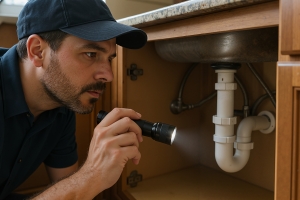
- Plumbing materials and age are significant factors. Galvanized steel and lead supply lines increase the risk of water damage, which carriers price accordingly. In addition, the polybutylene piping that was common in homes built between the 1970s and mid-1990s has a documented failure history that influences premiums and carriers’ willingness to write the property.
- Roof age and material are among the most heavily weighted variables in older-home underwriting. Connecticut carriers generally require roofs to fall within a specific age threshold for standard eligibility. Original materials on a pre-1960 home will nearly always result in an inspection requirement, a coverage limitation, or both.
Connecticut-Specific Factors That Shape the Assessment
If your home is on the coast, wind, storm surge, and flood exposure could compromise your ability to get insurance. In these cases, it may not matter if the home is updated to modern standards or recently built. Properties near Long Island Sound or tidal inlets in areas such as Westport, Old Saybrook, and Stonington can differ substantially from inland properties that are otherwise in comparable condition.
Many older cities and towns in Connecticut have homes with historic district designation, and this can complicate replacement cost calculations. Restoration requirements often mandate the use of period-appropriate materials that cost considerably more than standard equivalents. Carriers who don’t take this into account can leave homeowners significantly underinsured when a loss occurs.
What Raises Your Premium vs. What Can Affect Your Eligibility
If you are considering investing in improvements, it is helpful to know where your money will offer the best return. While some conditions increase the cost of a standard policy, others place a property outside of what standard carriers are willing to write at any price.
| Condition | Raises Premium | Can Affect Eligibility |
| Roof Over 20 Years Old | Yes | Sometimes |
| Knob and Tube Wiring | Rarely Priced | Yes, Often Declined |
| Federal Pacific or Zinsco Panel | Rarely Priced | Yes, Often Declined |
| Galvanized Plumbing | Yes | Rarely |
| Oil or Aging Heating System | Yes | Rarely |
| Unpermitted Additions or Alterations | Sometimes | Yes |
Addressing the conditions in the eligibility column can make your property insurable with a standard carrier rather than one that prompts exclusions that can come back to haunt you when a claim occurs.
Steps to Take Before Requesting a Quote on an Older Connecticut Home

Before you seek a formal quote, gather documentation for any system updates that have already been carried out, such as plumbing upgrades, roofing permits, or panel replacement records. These documented improvements could place you in a better position when it comes to eligibility and pricing.
It is also helpful to work with an independent broker who is familiar with Connecticut carriers and who will write specific property conditions. A knowledgeable independent broker can find the right carrier for the property’s specific profile, saving you time and possibly inspiring better terms.
Get an Honest Assessment of Your Connecticut Home’s Coverage Options From JMG Insurance
Obtaining older home insurance in Connecticut can be challenging, and the right policy comes from a carrier that understands the property and will pay out correctly when something goes wrong.
Contact JMG Insurance today for a direct assessment of your older Connecticut home’s coverage options. We know the homeowners insurance CT market and which carriers will actually write your property at terms that make sense. Contact us today to explore your options.