
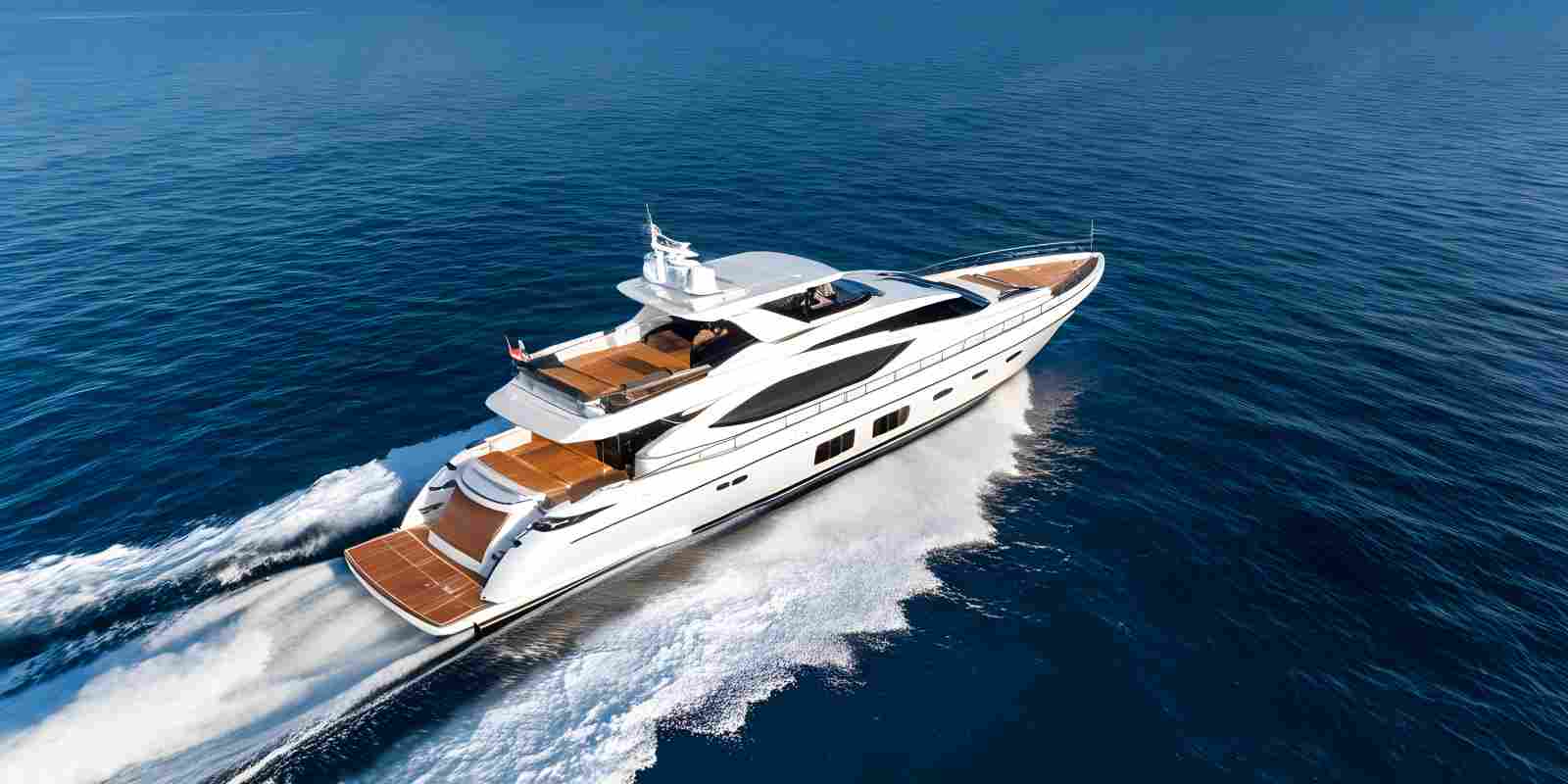
A trip to Maine, a winter move to Florida, or a run to the Bahamas can take a boat beyond the waters listed in its insurance policy. When that happens, coverage may depend on a navigational warranty that identifies where a vessel may operate and, in some cases, where it may be located during hurricane season.
The navigational limits boat insurance can include are not standardized from one carrier to another. The exact wording may appear on the declarations page or related endorsements, and even small differences can affect where a vessel may travel and when those voyages are permitted. For Connecticut and tri-state boat owners planning longer cruises, seasonal relocations, or offshore passages, those boundaries can influence coverage just as much as deductibles and policy limits.
How Navigational Limits Are Written
Some policies restrict where a vessel may operate by referencing specific landmarks, coastlines, or seasonal boundaries. A vessel subject to a hurricane-season restriction, for example, may be required to remain north of Cape Hatteras, North Carolina, during certain months of the year.
Other forms define coverage territory by naming inland waterways, coastal waters, island groups, or offshore navigation areas. The difference between one contract and another may come down to a few lines in an endorsement.
Why Courts Enforce the Limits Strictly
Federal courts have treated navigational warranties as conditions of coverage rather than technical policy requirements. In marine insurance disputes, coverage can be denied when a vessel operates outside the permitted waters, even if that breach had nothing to do with the loss itself.
A federal case from New Jersey illustrates the principle. The court denied coverage for a yacht theft claim because the vessel was docked south of Cape Hatteras during a restricted period identified in the policy. The dispute focused on the boat’s location at the time of the loss, not on the cause of the theft. The court concluded that the navigational warranty had been breached. Thus, compliance with a navigational warranty can determine coverage even when the warranty breach did not cause the loss.
What a Loss Outside the Limits Looks Like
A 2019 decision from the U.S. Court of Appeals for the Eleventh Circuit involved a sailboat that sustained storm damage in Florida during June while subject to a Cape Hatteras navigational restriction. The court held that the warranty barred coverage because the vessel was operating outside the waters permitted by the policy.
The decision shows how a vessel’s location alone can become the determining factor in a coverage dispute. A loss that appears covered at first glance may be denied if the boat was operating beyond the limits identified in the policy. That is why cruising limits deserve attention before departure rather than after a claim occurs.
Marine insurance law can vary by jurisdiction. Boat owners facing a specific coverage issue should discuss the facts of their situation with qualified legal counsel. This article is provided for educational purposes and should not be interpreted as legal advice.
Extending Coverage Before a Trip
Navigational warranties may prohibit operation outside covered waters unless the insurer approves the change in writing. Some carriers issue endorsements that temporarily broaden covered waters for a particular destination, itinerary, or season.
A Connecticut boat owner preparing for a delivery should verify whether the route already falls within the policy’s navigational language. If it does not, obtaining an endorsement before departure may be necessary. Written approval should identify both the authorized waters and the dates covered by the endorsement. Keeping a copy onboard and another with the boat’s records can help document compliance if questions arise after a loss.
Hurricane Plans Become Part of the Policy
Yacht insurance policies may include hurricane-preparation requirements in addition to navigational warranties. Policies containing named storm boat insurance provisions may require owners to follow specific storm-response procedures when severe weather threatens.
A Massachusetts federal case focused on hurricane-preparation commitments the owner had agreed to follow, including the use of doubled mooring lines. The case hinged on whether those commitments formed part of the insurance contract and whether the owner had complied with them.
Along the East Coast, a boat insurance hurricane provision may affect both where a vessel can remain during storm season and what actions must be taken when a named storm approaches. Expanding a boat’s operating territory may also affect boat insurance cost, particularly when navigation extends into Florida, the Gulf Coast, or other regions with higher named-storm exposure.
Review Insurance Before Your Next Voyage

Before an extended voyage, call JMG at (844) 304-7332 to review your navigational limits for boat insurance and determine whether your planned voyage requires a written endorsement.