
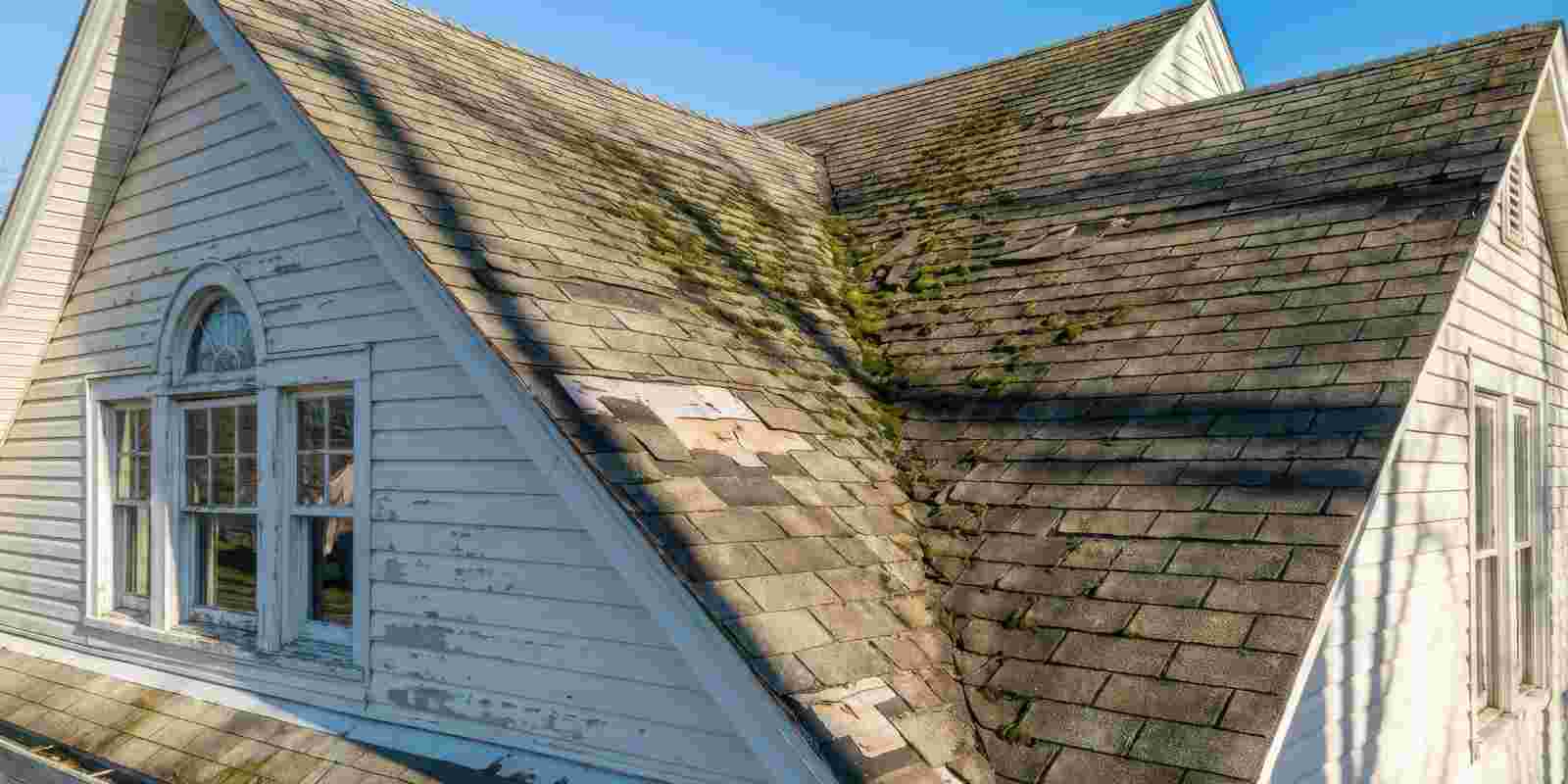
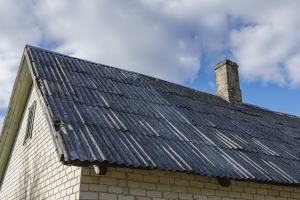
Reviews of a roof’s age for homeowners insurance may begin around year 10, well before a roof leaks or looks worn from the street. Between 10 and 25 years, a Connecticut homeowners policy can move through an inspection requirement, a shift to actual cash value, and in some programs, a decline. The roof year your carrier has on file impacts each of those changes, which makes confirming that number the first step in any homeowners insurance review.
Why Age Is the Metric Carriers Use
Roof age can be verified from permits, prior policy records, and real estate disclosures at almost no cost to the carrier, while condition requires an inspection that may be done in-person or via a combination of drone photography and satellite imaging. Underwriting guidelines lean on the cheaper data point and reserve inspections for roofs that cross a threshold.
About one in 35 insured homes files a wind or hail claim each year, according to the Insurance Information Institute, and those claims averaged $14,747 from 2019 to 2023. Verisk’s 2026 U.S. Roof Report put the average residential roof replacement at $17,631 in 2025, 33% above the 2021 to 2024 average, and found that roofing makes up around 30% of all line items in claims estimates.
Two insurers writing homes in the same town can treat an 18-year-old architectural shingle roof very differently, with one requiring an inspection and the other issuing a standard renewal.
The Age Bands That Commonly Matter
The table below reflects general standard market practice rather than a Connecticut rule. Your carrier’s filed guidelines control.
| Roof Age | What Commonly Happens |
|---|---|
| Under 10 years | Full replacement cost settlement usually available |
| 10 to 15 years | Coverage may shift to actual cash value at renewal |
| 15 to 20 years | Inspection or roof certification often required |
| 20 to 25 years | Actual cash value only, or a payment schedule endorsement |
| Over 25 years | New business often declined until the roof is replaced |
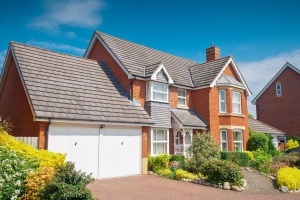
The Connecticut Insurance Department’s Feb. 6, 2026, consumer advisory lands in the middle of that range, reporting that eligibility limits for asphalt, wood, and rubber roofs commonly run 15 to 20 years and that architectural shingles often remain eligible for 25 years or more.
Actual cash value roof coverage might arrive by endorsement rather than a rewritten policy. ISO form HO 04 93 converts windstorm and hail losses to roof surfacing to an actual cash value settlement, and many carriers attach their own roof surfacing payment schedule endorsement, which pays a declining percentage based on roof age and material.
Why Materials Might Change the Timeline
The National Association of Home Builders’ study of home component life expectancy puts asphalt shingle life expectancy at about 20 years and slate at more than 50. The same study treats clay tile, concrete tile, and copper as lasting the life of the home. The Connecticut advisory likewise describes tile and slate as lifetime materials, and carriers set longer age limits for them.
The state advisory also lists multiple layers of roofing material among the conditions insurers review, and a roof installed over an earlier layer is often underwritten closer to the older date. A 12-year-old top layer over a 30-year-old base may be treated as a 30-year-old roof.
What an Inspection Actually Looks For
The Connecticut advisory names missing, lifted, curled, cracked, or deteriorated shingles, unrepaired damage, excessive debris or moss, and overhanging tree limbs as conditions insurers evaluate. Inspection reports for insurance renewal also commonly record granule loss, flashing around chimneys and skylights, prior repairs, attic ventilation where accessible, and evidence of past leaks.
Insurers might screen with satellite and drone photos first and follow up with a physical inspection when something looks wrong. Under a March 19, 2024, department notice, cosmetic streaking or discoloration in an aerial image cannot support a nonrenewal on its own, and the insurer needs evidence of material degradation or damage.
In some programs, a clean report may keep the replacement cost settlement in place past the usual age threshold, though that result depends on the carrier.
Signals Your Renewal Is About to Change

Renewal paperwork tends to show a carrier’s interest in your roof before any nonrenewal notice does. The early signals may include:
- A request for an inspection, a roof certification, or the date the roof was installed.
- A new roof surfacing or payment schedule endorsement in the renewal packet.
- A change in the loss settlement language on the declarations page, which can appear with no premium increase attached.
Ask what roof year the carrier has on file. That date may come from an old listing, a permit that was never closed, or an estimate made at the original application, and it can be wrong. A roof replaced in 2019 but recorded as a 2008 installation can trigger an inspection or settlement change the actual roof doesn’t warrant.
Acting Before the Notice Arrives
Assemble the permits, final invoice, contractor’s registration, material and manufacturer, and dated photographs now. That file corrects a wrong roof year and supports a clean inspection when the carrier asks for one.
Connecticut requires insurers to give at least 60 days’ written notice of a homeowners policy nonrenewal with the reason stated. Sixty days leaves little time to replace a roof or move carriers, so building the file at an earlier point lets you compare options on your schedule instead of the carrier’s.
JMG Insurance Corp can confirm the roof year your carrier has on file and how homeowners insurance roof age guidelines affect your next renewal. Because JMG places coverage with more than 150 carriers whose age limits differ, the same documented roof can be shopped before the policy changes. Contact JMG before your next renewal date.