
Youth Sports Insurance
JMG offers youth sports insurance designed to protect young athletes, teams, coaches, and leagues from risks associated with practices, games, and tournaments. Coverage helps support safe and organized sports programs.
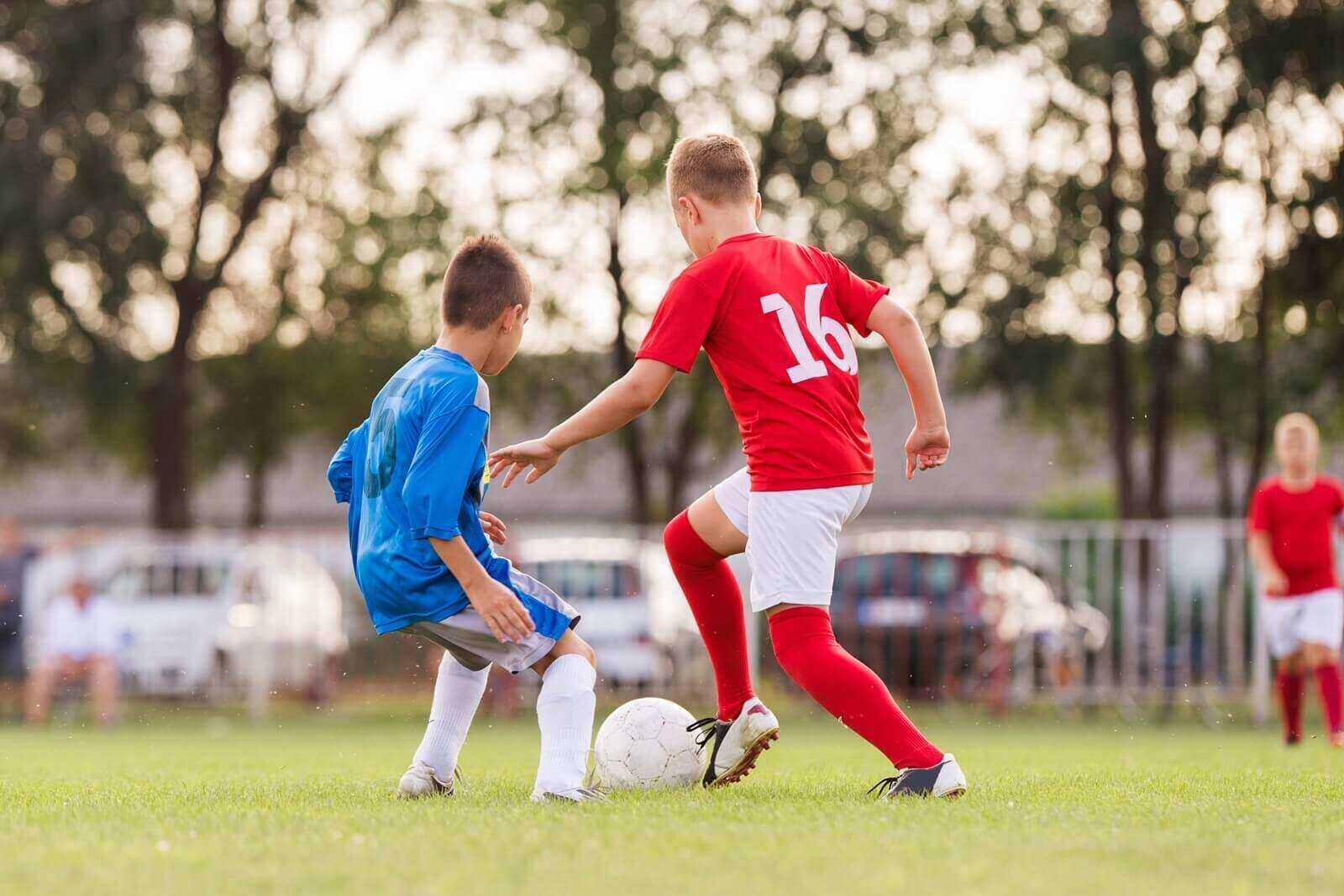
Keep Young Athletes Safe and Protected
Youth sports are about more than competition. They build teamwork, leadership, and community. Whether you manage a neighborhood soccer league, a martial arts academy, or a year-round basketball program, your organization carries responsibility. JMG Insurance Corp helps you secure the protection your program needs, with custom insurance plans that address the everyday risks involved in youth athletics. Our goal is to help you focus on the development and safety of your athletes while we handle your liability and coverage needs.
Ready to start coverage? Call us at (844) 304-7332 or click below to fill out the form.

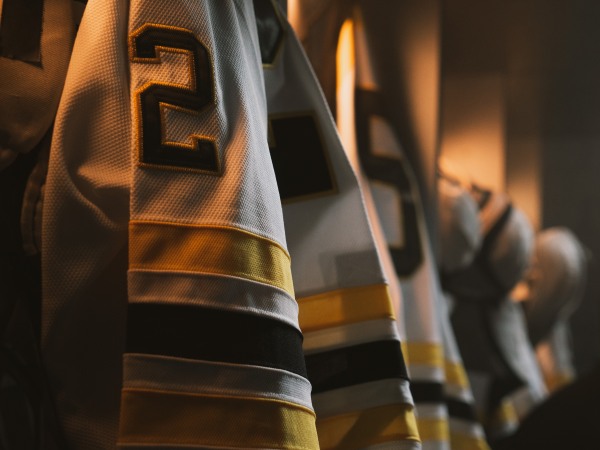
Trusted by Youth Sports Organizations Across the Country
JMG Insurance Corp is recognized as one of the Top 100 Property and Casualty Insurance Agencies in the United States by Insurance Journal. We bring decades of experience working with athletic organizations of all sizes and understand the unique risks associated with managing youth-focused programs. From after-school groups to significant travel leagues, we build tailored insurance plans that protect your athletes, staff, venues, and reputation. Our team is here to provide expert guidance, responsive service, and policies that meet your specific needs.
Want to hear more? Call us at (844) 304-7332 or click below to get started.
Youth Sports and Fitness Insurance Coverage
Youth sports programs involve physical activity, equipment use, and group interaction. From injuries to facility damage, insurance coverage is critical for day-to-day operations. JMG works with you to ensure the appropriate mix of general liability, accident medical, property coverage, and more.
We provide insurance for:
- Soccer
- Football (tackle and flag)
- Baseball
- Softball
- Basketball
- Volleyball
- Tennis
- Pickleball
- Cheerleading
- Martial arts and karate
- Lacrosse
- Wrestling
- Track and field
- Cross country
Get started. Call us at (844) 304-7332 or click below to fill out the form.
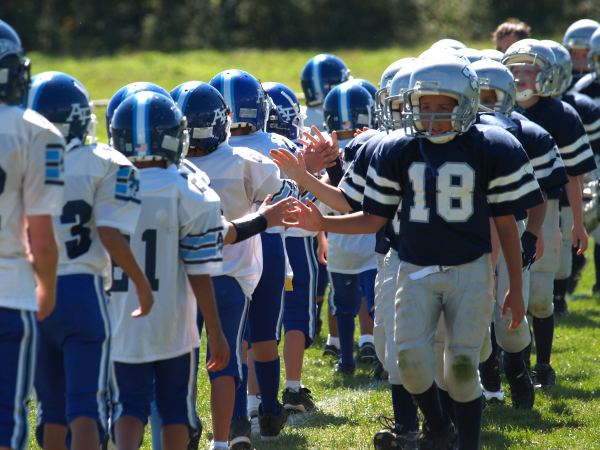
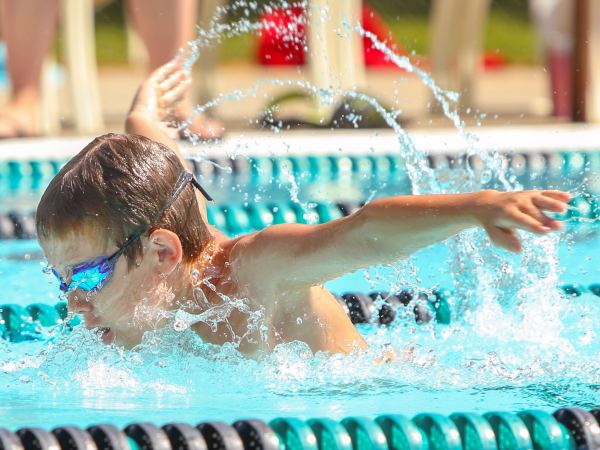
Aquatic and Water Sports Coverage
JMG Insurance Corp proudly offers youth sports and recreation insurance to businesses and organizations across the Northeast and Hawaii. Whether you’re operating a gym, running outdoor programs, or managing water-based activities, our team can help you protect what matters most.
We provide insurance for:
- Swimming
- Diving
- Water polo
- Synchronized swimming
- Junior lifeguard programs
- Summer camps with water activities
- Recreational swim teams
Want to hear more? Call us at (844) 304-7332 or click below to get started.
Winter and Snow-Based Sports Coverage
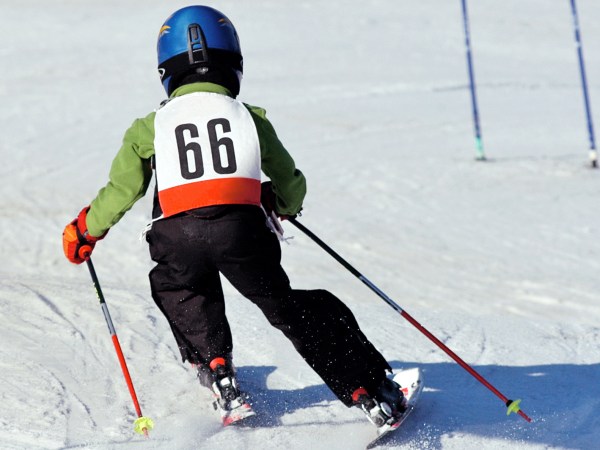
Some organizations offer snow sports as part of local or out-of-state programs during winter. We help support these activities with insurance that covers trips, rentals, injuries, and equipment used during seasonal programs.
We provide insurance for:
- Ski clubs
- Snowboarding lesson programs
- Youth snow sport trips and events
- Off-season training and competitions
- Equipment and travel coverage
Get started. Call us at (844) 304-7332 or click below to fill out the form.
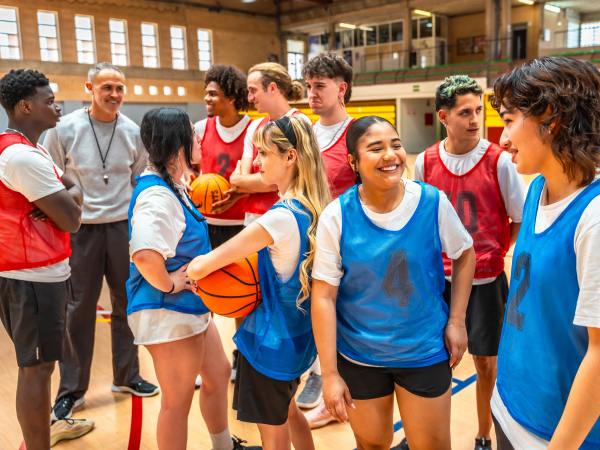
Serving Local Youth Sports Programs and Families With Coverage You Can Trust
JMYouth water-based programs are gratifying but come with increased safety considerations. Whether your program involves swim lessons, water polo, or summer camps with aquatic activities, we help ensure your organization’s specific risks are addressed appropriately.
We provide insurance for:
- Youth Sports Insurance in Connecticut
- Youth Sports Insurance in New York
- Youth Sports Insurance in New Jersey
- Youth Sports Insurance in Rhode Island
- Youth Sports Insurance in Pennsylvania
- Youth Sports Insurance in Hawaii
Want to hear more? Call us at (844) 304-7332 or click below to get started.
Get Insurance Coverage with JMG
Protects Against Liability
Whether you’re an individual or business, insurance shields you from potential lawsuits and legal expenses.
Covers Equipment
Personalized policies can help replace damaged or stolen gear like bikes, paddleboards, or diving gear.
Business Protection
If you’re running classes, tours, or rentals, insurance ensures your operations don’t sink from a claim.
Enhances Credibility
Having insurance increases trust with clients, partners, and customers.
Medical Cost Coverage
Stay covered in case of accidents or injuries during your recreational activities.
Peace of Mind
Enjoy your favorite sports knowing you’re backed by financially sound, proven coverage.
Access to Top-Rated Insurance Carriers











Frequently Asked Questions From The Community
What types of policies are needed for youth sports programs?
Most programs benefit from a combination of general liability, participant accident coverage, and property protection.
Can I get insurance for a tournament or short-term season?
Yes. We offer both seasonal and one-time event coverage depending on your timeline.
Are volunteers, board members, and coaches covered under a policy?
Coverage can be extended to include volunteers, coaches, directors, and other personnel involved in your program.
Do you offer travel coverage for out-of-town games or tournaments?
Yes. We can provide inland marine coverage for gear and liability coverage during travel.
Can I insure equipment, uniforms, and rented space?
Yes. We offer a range of commercial property and inland marine coverage to help protect your assets.
Get Sports Insurance Coverage With JMG
JMG Insurance Corp is committed to protecting the future of youth athletics. We partner with sports organizations, clubs, schools, and training programs to build insurance plans that make sense. You’ll work directly with a representative who understands your sport, your structure, and your goals. Whether your group meets a few times a week or operates year-round, we provide coverage that helps you stay prepared, protected, and focused on your mission.