
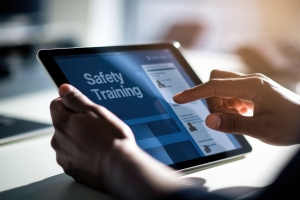
 Essential Takeaways:
- Structured training reduces the frequency of workers’ comp claims in retail stores.
- A documented safety program can signal lower risk to insurance carriers.
- General liability exposure is reduced when staff are aware of proper procedures.
- Connecticut workers’ compensation for retail carries specific compliance implications.
- Small, consistent training investments can amount to meaningful premium savings.
Retail insurance premiums are a real concern for small businesses in Connecticut, and they aren’t showing signs of abating any time soon. Between workers’ compensation exposure, general liability claims, and the generally unpredictable nature of high-traffic retail environments, it’s no surprise that coverage costs seem to be always climbing. However, there’s a solid strategy for keeping them under control that doesn’t get enough credit: structured employee training.
At first, this might sound counterintuitive. After all, training costs money up front and takes time that your staff could be spending out on the sales floor. However, it is actually a very smart investment, and insurers are willing to reward you for it. Fewer incidents mean fewer claims, and fewer claims put you in a better position when the next renewal cycle rolls around.
How Retail Accidents Happen and Why Training Prevents Them
The most common injuries in retail environments aren’t the dramatic type. Lifting strains and slip-and-fall incidents are far more insidious but also highly preventable. One of the best ways to prevent them is with proper training.
When employees understand the proper way to lift heavy objects, they are far less likely to injure their backs while moving stock. Similarly, when they know how to identify and mark wet floors, the risk of a customer slipping and falling drops dramatically. These protocols are not very complex, but employees have a natural tendency to default to the quickest and easiest approach rather than the safest one without consistent reminders. This gap between fast and safe is exactly where claims get filed.
Many retail workplace safety tips are focused on the physical environment, and there is no question that components such as flooring, lighting, and signage matter. However, training addresses the human behavior side of this equation, and it’s incredibly powerful.
Why Insurance Carriers Pay Attention to Training Programs
 It is important to understand that insurers don’t just look at what has happened in the past when setting premiums; they assess what is likely to occur in the future. Therefore, a business that has documented, consistent employee safety training will look fundamentally different on an underwriting worksheet than one without it.
For small businesses, risk management generally comes down to demonstrating predictability. An insurance carrier will want to see that the business has specific systems in place, such as formal training programs supported by records of completion dates and topics covered. This is often rewarded with more favorable terms at renewal time.
It’s worth mentioning, however, that there are no guarantees. Insurance pricing involves numerous variables. Nevertheless, it is an effort that is likely to pay off in terms of reduced claims, even if your premiums don’t change.
What Good Employee Safety Training Looks Like for Retail
Not all training is created equally. A five-minute verbal rundown during onboarding will certainly not carry the same weight as a documented program with defined topics, regularly scheduled refreshers, and sign-off sheets. In fact, the documentation is almost as important as the training itself for reducing your retail liability claims and building a defensible risk profile.
Here are some practical elements that are worth including in your training:
- Onboarding safety orientation that covers slip and fall prevention, emergency procedures, and proper lifting techniques
- Quarterly refreshers tied to seasonal risks, such as safely managing holiday crowds or icy entrances in winter
- Customer interaction protocols that reduce the chances of confrontation and potential assault claims
- Incident reporting procedures that establish a clear paper trail
The Financial Case for Training as a Long-Term Risk Management Strategy
 Training does require an investment, but a single workers’ comp claim could cost more, especially when you factor in medical expenses, lost productivity, potential litigation, and the impact it has on experience modification rates.
However, employee safety training benefits extend well beyond avoiding claims. Staff who notice that their employer invests in their safety tend to be more engaged at work, experience lower turnover, and cause fewer accidents overall.
Ready to See How Training Can Affect Your Retail Insurance Costs?
At JMG Insurance Corp, we work with small retail businesses across Connecticut to find retail insurance coverage that reflects the full picture of how you run your operation. If you are looking to reduce your insurance costs, reach out to JMG Insurance Corp today to schedule a review of your current retail insurance coverage.