
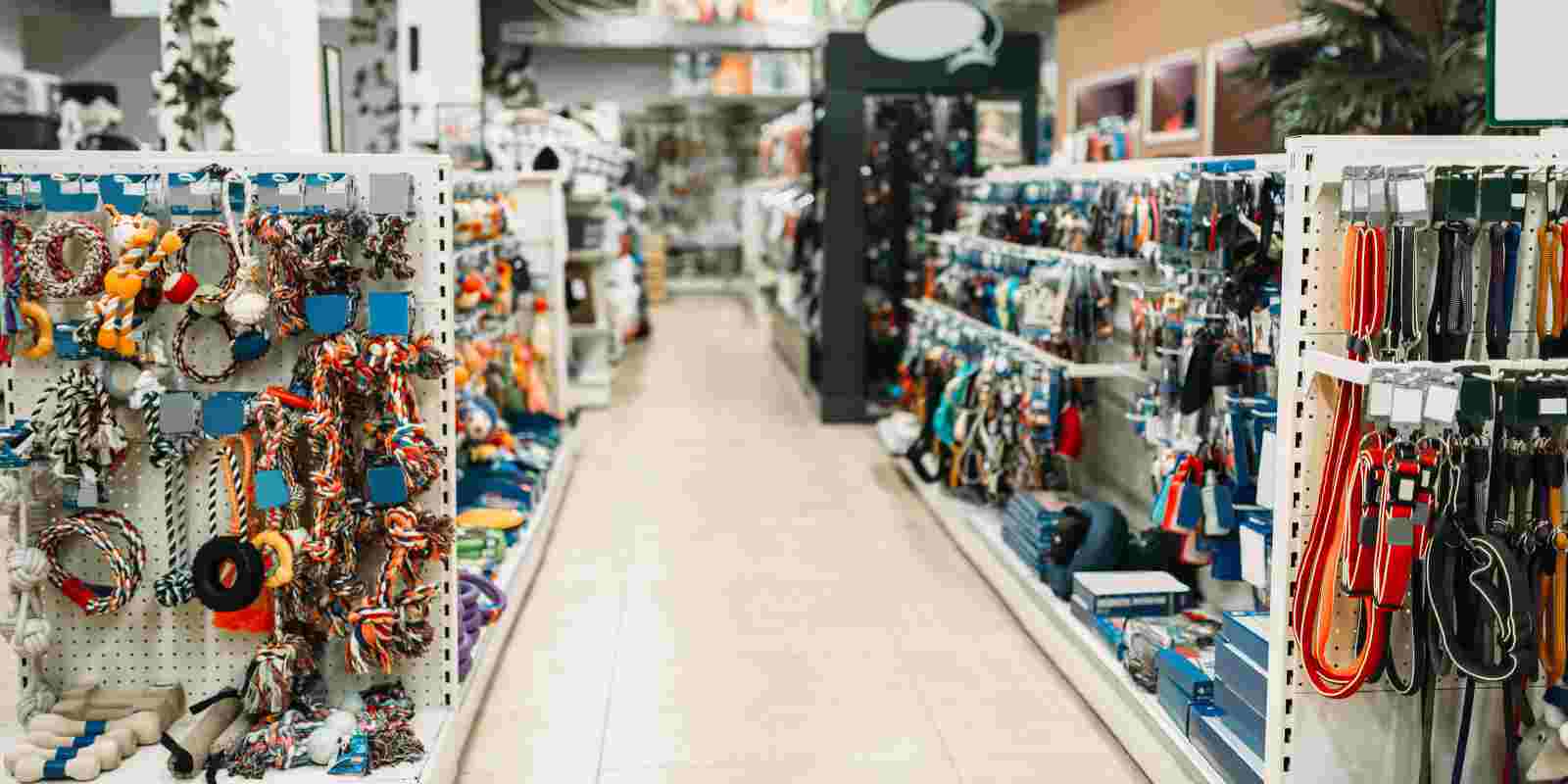

 Running a pet shop is a rewarding career for animal lovers, but it also poses many challenges. Taking care of animals, serving customers, and managing inventory might keep you busy. Still, it is essential not to lose sight of the fact that even one unexpected incident could put your whole business at risk without pet shop insurance.
Pet shops deal with exposures that other types of retailers simply will not encounter, which is why standard retail insurance advice often falls short. After all, animals can bite, escape, or become ill. Pet-related products can cause allergic reactions. A customer could slip on the floor of your store on spilled birdseed. The right insurance policy can help make sure these incidents are minor setbacks rather than potentially business-ending catastrophes.
Essential Takeaways:
- General liability can cover animal bites and customer injuries on your property.
- Property coverage should protect both inventory and living animals.
- Product liability is needed to cover the pet food, toys, and supplies you sell.
- Professional liability insurance covers the advice you provide about animal care.
- Business interruption insurance can be helpful if you temporarily close.
1. General Liability Coverage That Truly Protects Your Business
General liability is the basis of all pet shop insurance policies, but keep in mind that not all policies cover the same things. Your policy should specifically address animal-related incidents, offering coverage for incidents such as a puppy biting a customer’s finger or someone tripping over a pet food display. Some insurers exclude animal bites entirely, leaving pet shops exposed. Be sure to read the fine print.
Aim for a policy with per-occurrence limits of at least $1 million and aggregate limits of $2 million. Your specific needs depend on the size and location of your pet shop. A small pet store operating out of a strip mall will naturally have a different risk profile than a bigger pet store that offers grooming services.
2. Property Insurance for Living Inventory
Standard business property insurance is relatively thorough, covering your building and its fixtures as well as merchandise. However, it may not cover the animals you sell as pets, and livestock are often excluded from policies.
Confirm that your policy explicitly covers the animals in your care as inventory. It should include death from covered perils such as fires. Consider mortality coverage for exotic animals, depending on what you sell.
Don’t forget about refrigeration breakdown coverage. If your freezer fails and you lose thousands of dollars’ worth of frozen pet food, a standard property policy might not cover it.
3. Product Liability for Problematic Pet Products
 At your pet shop, you’re selling products that animals will eat, chew on, or interact with regularly, and you could be held accountable when something goes wrong, even if you didn’t manufacture the product in question. This is where product liability coverage can prove helpful.
Pet food recalls are not unusual, and customers could hold you liable if a contaminated treat sickens their pet. There are countless ways pet products can fail, whether it’s a toy that breaks apart and causes an intestinal blockage or a collar that fails at an important moment.
Make sure your policy covers defense costs in addition to settlements or judgments. Most policies do not cover legal fees unless specifically stated, and in some cases, attorney costs exceed the actual claim amount.
4. Professional Liability for Advice You Provide Customers
Pet shop owners and employees often advise customers. For example, recommend pet foods for specific breeds, suggest training tools, or help a customer choose an appropriate habitat for their pet. Your customers trust your expertise, and that can create liability exposure.
Professional liability insurance (sometimes called errors and omissions coverage) protects you if the advice you provide leads to harm. This could be helpful if, for example, you accidentally recommend the wrong diet for a diabetic cat or suggest a collar that is the wrong size.
This coverage isn’t standard in most pet shop policies, so you might need to request it specifically or add it as an endorsement. Given how frequently pet store staff interact with customers about animal care, this is often worth the additional premium.
5. Business Interruption Coverage for When Your Store Is Unable to Operate
How would a fire affecting your pet shop impact your business? Although property insurance might cover rebuilding and replacing your inventory, it won’t address the income you lose while your store is closed. Business interruption insurance can fill this gap by helping with lost profits and ongoing expenses during your recovery period.
This coverage can be especially complicated for pet shops because you have living creatures who need care regardless of whether the store itself is open for business. Some specialized policies include extra-expense coverage that reimburses costs such as boarding animals at another location or hiring additional staff during the closure.
The Small Business Administration notes that 25% of businesses won’t open again after a disaster. Business interruption coverage can stack the odds of survival after a temporary closure in your favor by protecting your finances.
6. Animal Bailee Coverage Protects Customer-Owned Pets
 If your store offers services such as boarding, grooming, or training, you are taking custody of animals that belong to your customers. Animal bailee coverage (also called care, custody, and control coverage) gives you much-needed protection if something happens to these animals while they are in your care.
Keep in mind that standard general liability policies exclude property that is in your care or custody, and this technically includes customer-owned pets. Therefore, you need to obtain specific coverage for any injuries, illnesses, or deaths that take place during grooming appointments or overnight stays.
Let’s Review Your Coverage
Pet shop insurance isn’t a one-size-fits-all solution. A policy that serves a small aquarium specialty shop won’t meet the needs of a large full-service pet store that has grooming and training facilities. Take some time to review your current coverage in these six areas and identify any gaps.
At John M. Glover Insurance Agency, we understand the specialized insurance needs of pet shops because we work with small business owners every day. We’ll take the time to understand your specific operations and recommend coverage that actually protects your business. Contact us today to get started!